Upcoming Exhibition:
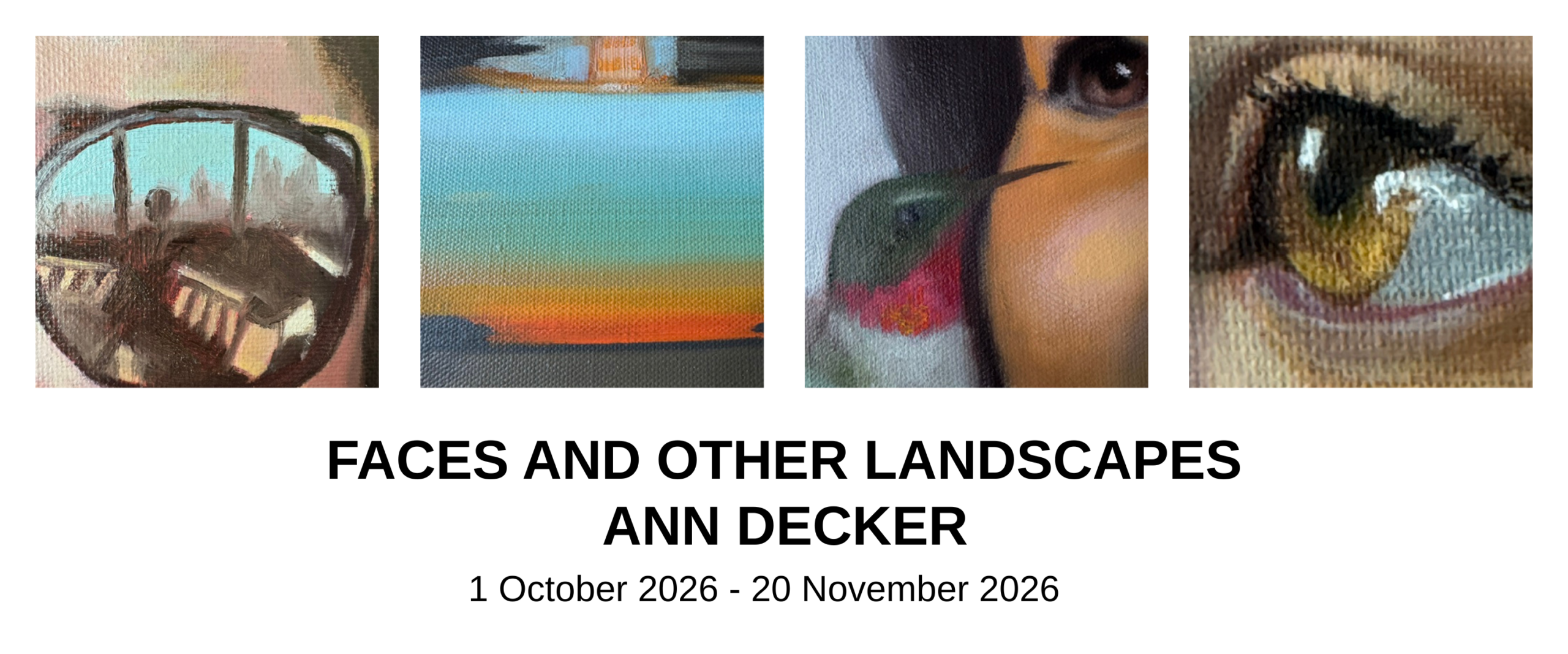
Faces and Other Landscapes
Ann Decker
On View: 1 October - 20 November 2026
Opening Reception: Thursday, 1 October, 6:00 - 8:00 PM
Artist Talk: Thursday, 5 November, 7:00 PM
Faces and Other Landscapes presents portraits of family, friends, and people I have come to know. For me, portraiture is a way of connecting with people. I meet with each sitter in person, make an initial sketch, and take photographs as references. The painting becomes a meditation on the person’s face—building a sense of who they are through shapes, colours, and emotions. Sometimes, something of their inner world finds its way onto the canvas.
Each portrait is paired with a landscape that echoes the mood and palette of the figurative painting, offering another way of portraying the person. Visitors can also scan a QR code to hear audio stories from the sitters in their own voices.
This exhibition explores different ways of presenting the human face while expressing my love of connecting with people through art. I am thrilled to bring these works together in the Pocket Gallery and invite you to come experience the exhibition in person.

About the Artist
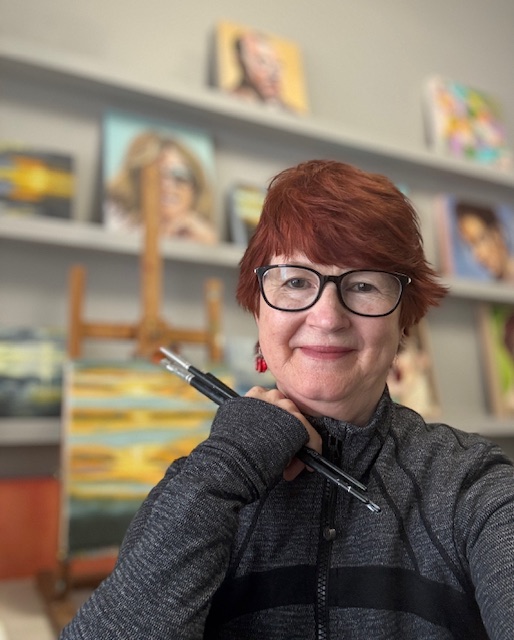
Ann Decker is a Kingston-based artist who paints in series often featuring the female figure. For example, in her series “Portraits in Nature,” she explores an imaginative connection between women and the natural world. Imagined in magical settings, these scenes celebrate the tenderness and strength of women. Ann works primarily in oil and/ or acrylic, and sometimes in watercolour. Colour and composition shape the narrative and mood in Ann’s chromatic paintings whether the subject is portraiture, still life, abstract or en plein air. This artist has shown at Union Gallery, Tett Centre Gallery, Modern Fuel Artist-Run Centre, Kingston School of Art, and Kingston City Hall, and John B. Aird Gallery in Toronto.